Having incomplete data can cause damage that shouldn’t be underestimated: here’s why
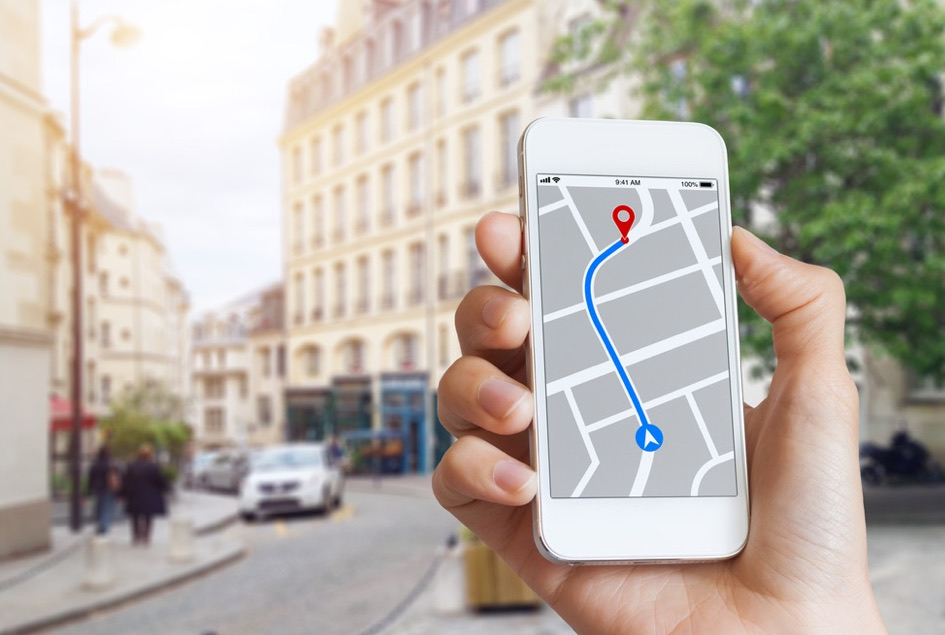
Providing incomplete data or incorrect information can cause you to lose up to 41% of the potential customers who search for you online. Monitoring and keeping your information up to date on the web is becoming increasingly important. But given the number of platforms you need to be present on, it’s also a task that gets harder by the day.
Local Search Association experts tell us that as many as 70% of internet-using adults perform an online search – whether on desktop or mobile – before making an in-store purchase. Users’ journeys are increasingly varied: in many cases, for example, they may no longer go through Google at all, staying instead within an app, a review site like Yelp, or a social network like Facebook. Whatever form the online journey takes, though, one thing remains certain: a stop through good old internet is (almost) always made before heading to the store.
What do users expect when they turn to the web? In theory, actually, not much, and fairly simple things: that the information about the store in question be immediately available, correct and complete.
In other words, data must be kept up to date and well maintained, to make sure users have everything they might need to visit the store: phone numbers, opening hours, exact address (with a direct link to maps if possible), a link to the website… The goal is to make this potential customer’s decision as easy as possible: to avoid putting up obstacles that could reduce or completely eliminate their interest in visiting the store.
So data really matters. But if just being told that isn’t enough to convince you, the results of a recent survey conducted by BrightLocal might help. The data revealed by BrightLocal, and also reported by the LSA, show that when faced with a missing or incorrect address, 15% of consumers will go to a similar store nearby, 14% will run another online search to find an alternative business, and 12% will abandon the search and the purchase attempt altogether.
Add these numbers up and you get a staggering 41% of potential customers lost, which obviously means missed sales and lost revenue. All because of an incomplete or incorrect address!
The LSA also gives us further results on this front, telling us that as many as 22% of consumers who have this kind of experience while performing an online search say they no longer trust the brand they were originally interested in. This means the losses caused by incorrect data aren’t limited to a single missed purchase on a given day, but can go on to damage the brand’s image and cause long-term losses. The consumer might find another business and stay loyal to it afterward, or simply decide you’re not reliable and lose all interest in your brand.
The solution to this problem, as we’ve already said, is conceptually simple: just keep your data under control and make sure the information published on the web is always up to date. The problem is that there can be a lot of data, spread across many platforms, and it’s difficult to keep it constantly monitored.
And information about your stores keeps changing. The LSA has found that on average, 60% of local business information needs some kind of update within 24 months, and 20% within 12. Keeping up with your store data, in short, isn’t a one-off task but ongoing work that takes time and resources.
Here at RetailTune, we try to help. With our platform, we distribute your store data to all the most important touchpoints, including Google My Business, Facebook Local, Apple Maps and Bing Maps. This way, there’s only one platform you need to keep updated: ours! We take care of the rest…
Claudio Agazzi, Founder & MD at RetailTune.ai
RetailTune makes life easier
Rely on the experts in Local Digital Marketing to improve your online presence.