Google's changes for the Digital Markets Act (DMA)
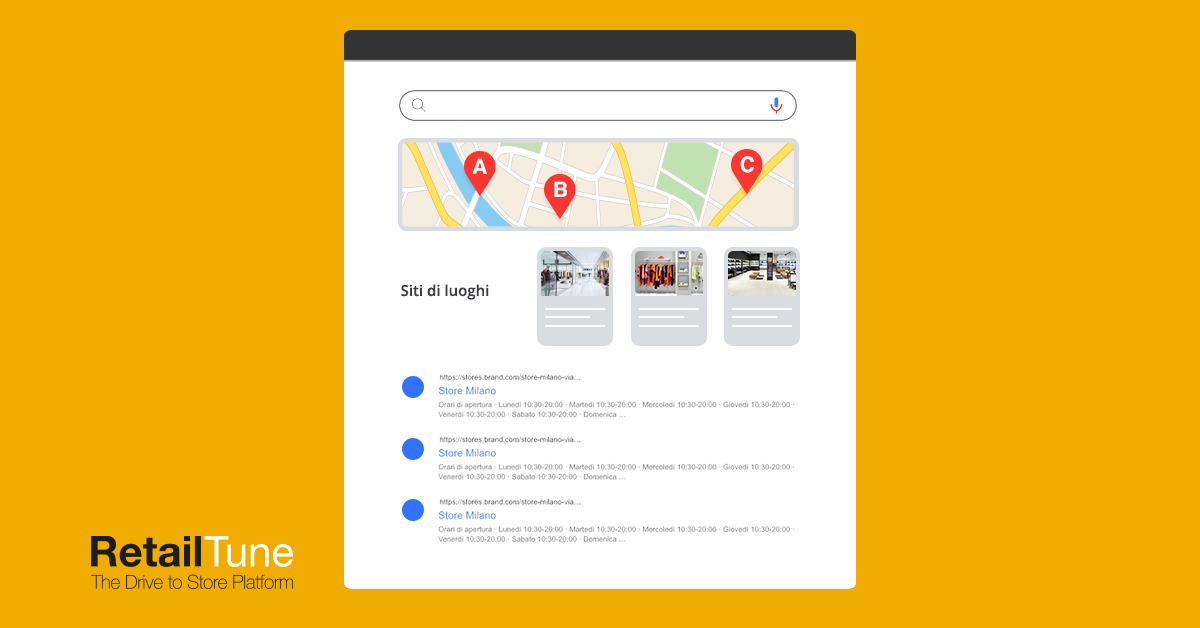
The new regulation known as the Digital Markets Act (DMA) is about to come into force in Europe. It applies to companies designated as “Gatekeepers”, that is, companies considered Very Large Online Platforms (think Google, Apple, Meta, Amazon, Microsoft) that hold a monopoly through algorithms that aren't fully transparent and that could favor their own products in search results. For small and medium-sized businesses, competing with these giants would therefore seem impossible.
This is exactly where the DMA steps in, imposing a number of rules to follow:
- avoid self-promotion of their own services;
- limit the sharing of user data between multiple services within an ecosystem;
- not compete with businesses that use their services;
- allow direct sales and the use of intermediaries;
- prevent the default installation of software services;
- ensure the data portability of users and allow businesses to access data about their own activity;
- be required to provide information on any acquisitions carried out.
What is Google doing?
Google had already announced changes to its services back in January; in search, in particular, we're seeing a new way of displaying results through the introduction of links to comparison sites.
Google itself states on its blog:
“We will introduce dedicated units that include groups of links to comparison sites from across the web, and shortcuts at the top of the search page to help people refine their search, including by focusing results only on comparison sites. For categories like hotels, we will also begin testing a dedicated space for comparison sites and direct providers, to show more detailed individual results, including images, ratings and more”.
What does this mean? That in local searches, alongside the Local 3-Pack, links to places sites will now also appear.
So Google's own products may end up in lower positions within the SERP, but they will still always be present. This is NOT the end of the Google Business Profile listing, but rather a change in how results are displayed.
So what should you, as a retail business, do?
You'll certainly need to keep working on your Google Business Profile listing by updating information, enriching it with content such as posts, products, services and images, and above all managing the reviews left by users. Listings are also visible on Google Maps, a source of information for millions of users. But you also need to work on the brand's own internal touchpoints, such as the Store Locator, with pages dedicated to each individual store. At RetailTune, we call this the Concierge Page, the page dedicated to a single store, a genuine mini-website for that store, where you can add not just information like address, contact details and opening hours, but also ongoing promotions, featured products, and even the entire catalog of products available in-store. All of this to offer potential customers a complete range of services before they even arrive at the store; because the relationship between customer and store already begins online.
RetailTune's technology, strongly LOCAL SEO-oriented, uses the Store Locator and Concierge pages to help rank stores among the top positions in Google's SERP. If you too want to increase the visibility of your stores and drive traffic in-store, get in touch with us!