When the Consumer's Purchase Driver Isn't the Channel…
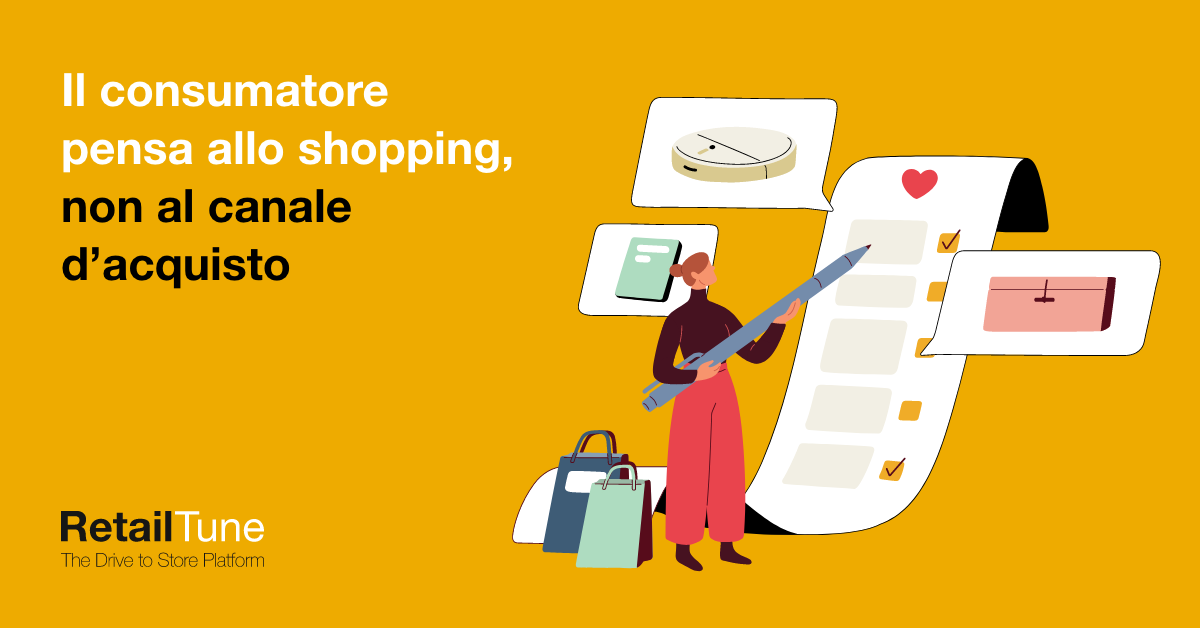
Hybrid shopping styles are becoming increasingly important, as shown by Visa's annual “Global Digital Shopping” research; consumers no longer think in terms of purchase channel (physical versus online), but want simple shopping, where the deciding factors are convenience and consistency of experience across every touchpoint.
Although we live in a digital age, physical stores continue to hold great importance: 71% of shoppers believe the in-store shopping experience is central. However, even though many consumers are returning to physical stores, only a third do so without the help of digital tools. 32.5% of shoppers are purely in-store shoppers. Today, the ability of physical stores to combine a preference for digital features with the immediate gratification of shopping on the spot is crucial.
In recent years, we've seen a significant decline in the single-channel consumer. And brands, too, understand the importance of mastering an omnichannel strategy that seamlessly integrates online and offline experiences.
It's interesting to note that, while not long ago it was digital features that drew consumers to physical stores – think of virtual try-on experiences with augmented reality – today even online stores that replicate the physical experience manage to attract more customers. Checking product availability before leaving home, quickly finding the right aisle for your items, and paying with a simple tap of the phone are without doubt features that consumers demand and appreciate, and that shift the purchase decision.
So we're really talking about a genuine integration between physical and virtual, where each supports the other. The integration of digital features into shopping habits has therefore become an essential component of physical stores' appeal, marking a significant evolution from the past and drastically reducing the prevalence of the single-channel consumer.
So what challenges does today's retailer need to embrace?
1. Offer consumers a personalized, consistent shopping experience across every channel, online and offline. Today, thanks to technology, this is possible.
2. Offer more purchasing options with self-service kiosks, automated checkout, in-store pickup, or the more traditional relationship with sales staff, both pre-sale and post-sale (live chat, responding to reviews).
3. Service, service, service. Keep in mind that the shopping experience begins with an online search. The retailer that gives consumers all the information about the brand, the products, and the store right from the first stage of the purchase process will certainly have an advantage.
RetailTune's main goal is to give consumers the right information to go to the right place, at the right time, based on the product they're looking for. We work to offer technology and services to retailers, helping them tackle today's challenges from an omnichannel perspective.