Upim & RetailTune: When AI Turns Digital Feedback into Personalized Consultancy
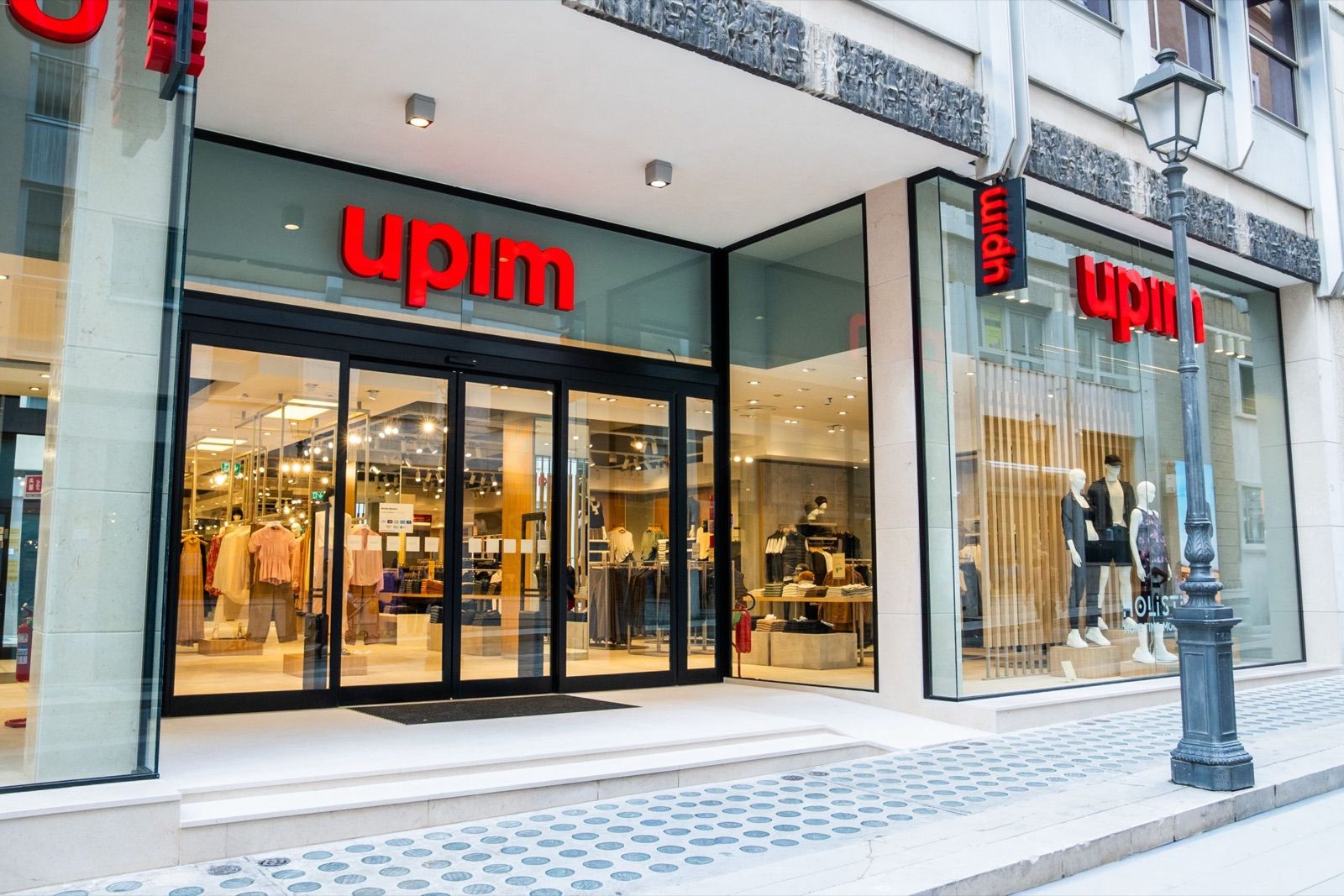
From Sentiment Analysis to in-store consultancy: how Upim uses Large Language Models to turn user opinions into a real competitive advantage
In today's retail landscape, the distinction between “online” and “offline” is now a thing of the past. Digital reputation is no longer just a calling card on Google; it has become an operational asset that physically enters the store aisles, influencing purchase decisions in real time. With the advent of LLMs (Large Language Models), reputation management has shifted from simple monitoring to predictive intelligence.
When Data Becomes Experience: the Role of LLMs
It's 2026: when a user asks an LLM “where can I buy the best running shoe near me?”, the AI doesn't just scan product catalogs. It analyzes the store's reliability in depth through the sentiment of ratings left by other users.
At the same time, imagine the impact in the physical store: a sales assistant who, supported by semantic analysis of reviews, can offer a higher level of consultancy. While showing a product, they can say with confidence:
“On average, customers who bought this running model at this store were very pleased with the heel cushioning, but several users reported that the fit is quite narrow: I'd recommend trying half a size up to give your toes the right amount of room while running.”
This isn't a distant future — it's the transformation of digital feedback into personalized consultancy. Here, the community's opinion becomes the added value of human assistance.
“Online reputation is today a strategic infrastructure that drives operational decisions at the point of sale. With RetailTune, we turn every review into useful information capable of improving the customer experience and generating concrete value for the business,” comments Claudio Agazzi, CEO and Founder of RetailTune.
RetailTune: Governing Sentiment with Data
This is exactly the direction taken by RetailTune through the evolution of its Sentiment Analysis feature. Moving beyond purely passive feedback management, the platform now offers an advanced suite for semantic analysis and the identification of relevant topics.
The AI system analytically scans all reviews left on the Google Business Profile (GBP) or other directories, detecting their overall sentiment and instantly classifying it as positive, negative, or neutral. For each of these macro-categories, the platform isolates recurring topics (such as service, product quality, price, or hospitality), providing a precise map of what shapes customer judgment.
The technological heart of this innovation is the dedicated Highlights area. Thanks to sophisticated algorithms, the system aggregates and displays the recurring themes for each individual store every month. Whether the feedback is about specific products, staff preparedness, the efficiency of customer support, or the overall quality of the shopping experience, the data is turned into immediately actionable insight.
Brands and Store Managers can thus review store trends to fix critical issues or replicate successful models, ensuring a consistently high standard of excellence.
To feed this data ecosystem, the volume of reviews is essential. RetailTune makes this process easier by allowing personalized QR Codes to be sent (or displayed) directly to the consumer. A simple, powerful gesture that turns an anonymous shopper into an active reviewer, capturing the enthusiasm of the post-purchase moment.
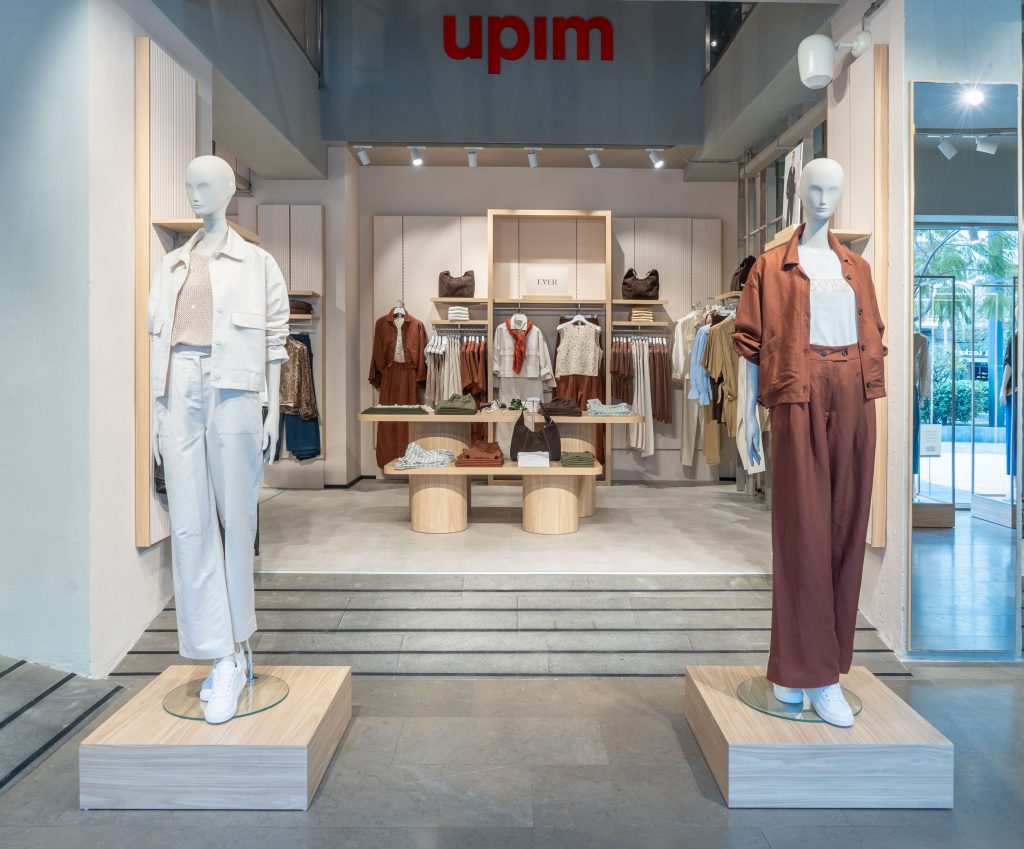
The Upim Case: Triple-Digit Success
The effectiveness of this approach is demonstrated by the numbers. Upim, a historic brand in Italian retail, adopted this strategy with extraordinary results. In the period between December 2025 and January 2026 alone, thanks to the integration of RetailTune's review request systems, the brand recorded a triple-digit increase in review volume. Not just quantity, but quality too: proactive customer engagement led to a simultaneous improvement in average rating, strengthening trust in the brand at the local level.
Reputation today is a continuous flow of information that, when managed with tools like RetailTune, allows physical stores to stay competitive in the age of artificial intelligence, turning customers' words into fuel for business growth.